
Invest in the best Screen Printing screens possible
Getting the most out of your screens begins with investing in quality screens. When you’re trying to keep the cost
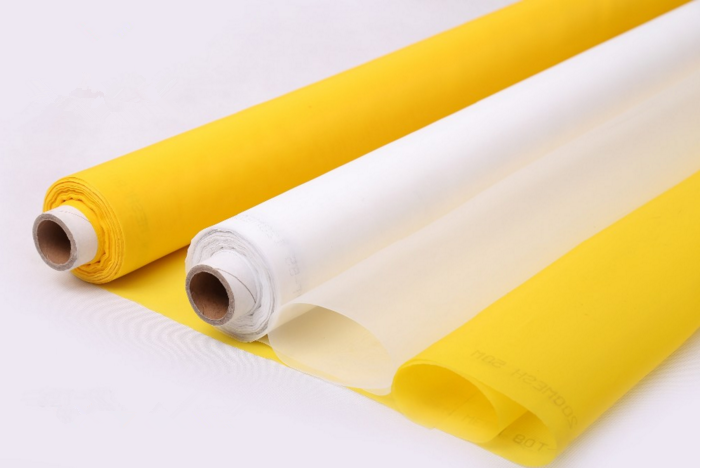
of your operation as low as possible, it can be tempting to buy budget screens. But with screens, you ultimately get what you pay for. Buy the nicest screens you can afford, ones with sturdy frames and durable Mesh.
Take care when reclaiming Screen Printing screens
You can reuse a screen thousands of times, but you have to know how to properly clean and reclaim them. Being too rough with your screens can lower their lifespans, but not cleaning them thoroughly can result in poor emulsion adhesion, pinholes and blurred prints. First and foremost, clean a screen as soon as possible after printing; letting the emulsion and ink sit for too long can make screens difficult to clean, causing you to put more force than necessary on them.
When cleaning a screen, let the chemicals do their jobs. Let the emulsion remover soften the stencil, then spray it out with a pressure washer. Set the pressure washer on the lowest setting possible to avoid warping the screen. Try to avoid scrubbing screens, as this can fray the Mesh. If there are any stains on the screen, use a haze remover; those stains can restrict the Mesh openings and interfere with printing.
Adjust Screen Printing screen tension slowly
If you print on retensionable screens, know how to adjust the tension the right way. To avoid shocking and tearing the Mesh, the tension of the screens should be adjusted slowly, in stages. Increase of the tension of your screens in thirds or fourths of the total desired increase in tension, waiting at least 20 minutes between increasing the tension. Know the tension parameters for your screens, and invest in measurement tools so you can keep precise track of your screens tension.
Handle and store screen printing screens properly
Make sure your staff knows how to properly handle Screen Printing screens and that they handle screens with care. Many screen fatalities are due to avoidable accidents! Also make sure you’re storing your screens carefully. They should be stored in a clean, dry place. If you’re using wooden screens, consider storing them in an airtight container, even if it’s just a large garbage bag that’s tightly tied, to keep out moisture that could warp the wooden frame.
Know when to replace Screen Printing screens
Caring for your Screen Printing screens means knowing when to replace screens that have deteriorated to a point where they will interfere with print quality. Screen Printing Screens need to go when they will no longer hold tension, or when the Mesh has become frayed with will interfere with ink’s passage through the screen openings. Experienced printers will know how to spot the signs of expired screens. They include a gray hue that can’t be cleaned, saggy screen Mesh that can’t be tightened and wobbly or bowed frames.
Screen Printing Screens are a major part of any screen printing shop’s budget. Caring for your Screen Printing screens can help keep your screen expenditures lower by helping you to get the maximum amount of prints out of each Screen Printing screen you purchase.
PAIOU Mesh is a modern and professional printing materials and filtering materials manufacturer in Hebei Province, China, with area of 20000 m2 work shop.Official website address:https://www.paiouscreenmesh.com/
